
Now Accepting New Patients For Virtual Consults Across Ontario.

Thyroid Hormone Optimization

What do you know about Thyroid Gland?

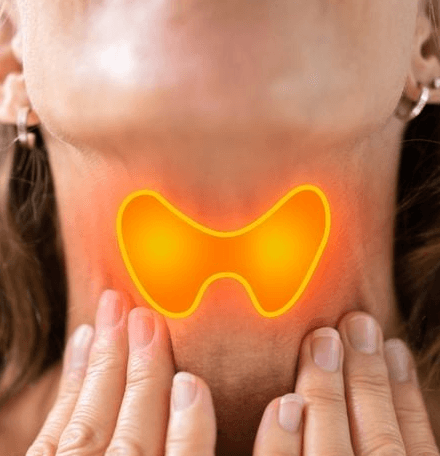
The thyroid Gland is a small, butterfly-shaped gland located at the base of the neck. Despite its size, it has a significant influence on how you feel and function every day. 

Thyroxine, known as T4, is the primary hormone produced by the thyroid gland. T4 converts to  T3, triiodothyronine, which is the more biologically active thyroid hormone. 

Together, these hormones help to regulate metabolism, energy production, body temperature,  cardiovascular function, digestion, brain health and reproductive function. 

When thyroid hormone production, conversion or activity becomes disrupted , the effects can be  felt throughout the body. Understanding the importance of the thyroid hormones is therefore an  essential part of investigating concerns such as fatigue , weight changes , poor concentration ,  temperature sensitivity, menstrual irregularities and fertility challenges.
Why Are Thyroid Hormones So Important?

Thyroid hormones do much more than control body weight. They influence how cells produce  and use energy, how the body processes carbohydrates and fats, how tissues grow and renew.

1.Metabolism

The basal metabolic rate , or BMR, refers to the energy your body uses to maintain essential  function while at rest. This includes breathing, circulation, temperature regulation, cellular repair  and organ function 

Thyroid Hormones significantly regulate the basal metabolic rate by influencing the consumption  of oxygen and the production of heat in the cells. This process is crucial for maintaining a high  level of energy expenditure, even at rest. When thyroid hormone levels are appropriate, the  body is better able to maintain normal energy expenditure and metabolic activity. 

Low thyroid activity can reduce BMR and contribute to a general slowing of bodily processes.  Although hypothyroidism may be associated with weight gain, weight is also affected by  nutrition, physical activity, sleep, stress, medications, age and other hormonal or metabolic  factors. Thyroid hormone treatment should restore appropriate hormone levels rather than  artificially accelerate metabolism for weight loss.

Glucose is the body’s primary energy sources, especially for the brain, muscles and  other metabolically active tissues. 

Thyroid hormones are also involved in glucose metabolism by enhancing the uptake ,  utilization of the glucose in different tissues and by increasing the number of glucose  transporters on the cell membrane. 

T3 influences how glucose is transported and used by cells. It also interacts with other  hormones involved in the blood sugar regulation in the liver and pancreas. 

When thyroid activity is disrupted, some people may experience changes in energy, appetite, insulin sensitivity or glucose management. A comprehensive metabolic assessment may  therefore be appropriate when symptoms include fatigue, unexplained weight changes or  difficulty regulating blood sugar.

Thyroid hormones influence how the body produces, processes and removes cholesterol and  triglycerides. 

T3 helps regulate low-density lipoprotein, or LDL, receptors on liver cells. These receptors  assist in clearing LDL cholesterol from the bloodstream. Thyroid hormones also influence the  conversion of cholesterol into bile acids, which provides one pathway through which cholesterol  can be eliminated from the body. 

In addition, thyroid hormones help regulate lipolysis—the breakdown of stored fats for energy— and the production of cholesterol and triglycerides. 

When thyroid activity is low, LDL cholesterol and triglyceride levels may rise in some people.  This is why thyroid function may be considered when unexplained changes in cholesterol occur.  However, cholesterol levels can also be affected by genetics, diet, physical activity, insulin  resistance, medications and other health conditions.

2. Mitochondrial Function and Cellular Energy

Mitochondria are sometimes described as the power-producing structures of the cells. They  convert nutrients into energy that the body can use. 

Thyroid hormones influence mitochondrial activity and help regulate the body’s overall rate of  cellular energy production. This is especially important in organs and tissues with high energy  requirements, including the heart, brain and skeletal muscles. 

When thyroid hormone activity is low, reduced cellular energy production may contribute to  fatigue, weakness, muscle discomfort, poor exercise tolerance and difficulty concentrating.

3.Thermogenesis and Body Temperature

Thermogenesis is the process through which the body generates heat. Thyroid hormones play  an important role in heat production within metabolically active organs and tissues, including the  liver, heart and skeletal muscles. 

This helps explain why people with hypothyroidism frequently feel cold or have cold hands and  feet. Reduced heat production and changes in circulation may make it difficult to stay  comfortable, even when other people do not find the temperature cold. 

Temperature sensitivity can have several possible causes, however, and should be evaluated  alongside other symptoms and laboratory findings.

4. Healthy Cell growth and renewal

Thyroid hormones play an important role in normal cell proliferation, maturation and  differentiation. These processes allow the body to produce new cells, renew tissues and support  normal development and repair. 

Healthy cell turnover is important throughout the body, including in the skin, muscles, brain,  digestive system and reproductive tissues.

5. Brain, mood and cognitive function

The brain depends on appropriate thyroid hormone levels to function properly .Thyroid  dysfunction may affect memory , concentration, mental processing , motivation and mood.

6. Heart and muscle function

Thyroid hormones influence heart rate , circulation, muscle performance and overall  cardiovascular function.Low thyroid activity may be associated with a slower heart rate,  reduced exercise capacity , muscle aches , stiffness or weakness.

Excess thyroid hormone can place additional strain on the heart and may lead to a rapid  or irregular heartbeat.This is why thyroid medication must be prescribed carefully and  monitored through symptoms and laboratory testing.

7. Reproductive health and Fertility

Thyroid hormones interact closely with the reproductive system. Both low and high thyroid  activity can affect reproductive hormones, sexual health and fertility.

Thyroid Function in Women

In women, thyroid hormones help support: 

  • Regular menstrual cycles 
  • Normal ovulation 
  • Estrogen and progesterone balance 
  • Fertility and conception 
  • A healthy pregnancy 
  • Fetal growth and brain development 

Hypothyroidism may contribute to irregular or heavy menstrual periods, reduced ovulation and  difficulty becoming pregnant. Thyroid hormone requirements can also change during pregnancy,  making appropriate testing and monitoring particularly important before conception and  throughout pregnancy.

Thyroid Function in Men

In men, thyroid function may influence: 

  • Sperm production and quality 
  • Testosterone balance 
  • Libido 
  • Erectile function 
  • Mood and energy 
  • Overall reproductive health 

Thyroid dysfunction is only one possible contributor to reproductive or sexual symptoms. A  comprehensive assessment may also consider testosterone levels, metabolic health,  medications, cardiovascular factors, stress and other underlying concerns.

Possible Symptoms of Hypothyroidism

Hypothyroidism occurs when the body does not have enough thyroid hormone to support its  needs. Symptoms often develop gradually, and people can experience them differently.

Possible signs and symptoms include: 

  • Persistent fatigue, weakness or lethargy 
  • Excessive daytime sleepiness 
  • Poor-quality or unrefreshing sleep 
  • Feeling unusually cold 
  • Cold hands and feet 
  • Reduced circulation to the extremities 
  • Reduced sweating 
  • Low appetite 
  • Unexplained weight gain or difficulty managing weight 
  • Headaches or migraines 
  • Muscle pain, stiffness, weakness or cramps 
  • Joint pain, stiffness or swelling 
  • Constipation 
  • Slower digestion 
  • Abdominal discomfort 
  • Dry skin, dry eyes or brittle nails 
  • Hair thinning or hair loss 
  • Irregular or heavy menstrual periods 
  • Fertility difficulties 
  • Reduced libido 
  • Depression or low mood 
  • Apathy or lack of motivation 
  • Brain fog 
  • Poor memory and concentration 
  • Anxiety or other changes in mood 

Some individuals may also report snoring, obstructive sleep apnea, postnasal symptoms or  recurrent throat and sinus concerns. These symptoms are not specific to thyroid disease, but  they may need to be considered during a broader health assessment. 

Heat intolerance is more commonly associated with hyperthyroidism, or an overactive thyroid.  However, some people with hypothyroidism describe difficulty adapting to changes in  temperature or difficulty sweating normally.

What Can Affect Thyroid Function?

Thyroid dysfunction can have numerous causes. In addition to conditions that directly damage  the thyroid gland, several nutritional, hormonal, environmental and lifestyle factors may affect  thyroid hormone production, conversion, transport or activity.

1. Autoimmune thyroid disease 

2. Thyroid surgery , radiation or thyroiditis 

3. Pituitary or hypothalamic Dysfunction 

4.Medication. 

5.Nutritional Deficiencies or excess 

6.Chronic Stress and Cortisol Dysregulation. 

7.Significant calorie restriction and prolonged fasting.

8.Liver Health and T4-TO T3 CONVERSION. 

9.Estrogen and thyroid -binding proteins . 

10.Sleep and circadian Rhythm 

11.Aging and changes in Energy production

Our Approach to Thyroid Hormone Optimization

At Wellness Path 4U, thyroid hormone optimization begins with a comprehensive assessment of  the whole person. We look beyond an isolated symptom or laboratory result to understand the  factors that may be influencing your health. 

Your assessment may include: 

  • A detailed review of your symptoms and health history 
  • Review of previous thyroid diagnoses and treatments 
  • Assessment of current medications and supplements 
  • Appropriate thyroid and metabolic laboratory testing 
  • Evaluation of nutrition and dietary patterns 
  • Discussion of sleep, stress and physical activity 
  • Consideration of menstrual, reproductive or menopausal health 
  • Development of an individualized treatment and monitoring plan 

When clinically appropriate, treatment may include thyroid hormone therapy, targeted nutritional  support and practical strategies for sleep, stress, movement and metabolic health. Follow-up  testing and ongoing monitoring help ensure treatment remains appropriate as your body’s  needs change.

Understand What Your Thyroid May Be Telling You

Fatigue, brain fog, temperature sensitivity, constipation, menstrual changes and difficulty  managing weight can affect every aspect of daily life. These symptoms should not automatically be dismissed as stress or aging—but they should not automatically be attributed to the thyroid  either. 

A comprehensive assessment can help identify whether thyroid dysfunction, nutritional factors,  another hormonal concern or a different health condition may be contributing to how you feel.  Wellness Path 4U offers personalized virtual thyroid hormone optimization consultations for  eligible patients throughout Ontario. 

Contact Wellness Path 4U today to book your assessment and take the next step towards  better understanding your thyroid health.

Now Accepting New Patients
For Virtual Consults Across Ontario.