&geometry(300x118) "Wellness Path 4U")
Could Your Thyroid Be the Reason You're Struggling to Lose Weight?
 "Could Your Thyroid Be the Reason You're Struggling to Lose Weight?")
You are eating more intentionally, staying active and doing your best to remain consistent, yet the number on the scale barely changes. Perhaps your clothes fit differently than they once did, your energy is lower and maintaining your usual weight suddenly feels much more difficult. When this happens, it is understandable to wonder whether something beyond food and exercise could be affecting your progress.
For some people, the thyroid is one part of the explanation. Thyroid hormones help regulate metabolism—the processes your body uses to convert food into energy and keep essential systems working. When the thyroid does not produce enough hormone, as occurs with hypothyroidism, many of these processes slow down. This may contribute to modest weight gain, fluid retention, fatigue and a reduced ability to be physically active.
However, the relationship between the thyroid and weight loss is more complicated than the idea that a “slow thyroid” automatically causes excess weight. Hypothyroidism is not responsible for every weight concern, and weight gain by itself is not enough to diagnose a thyroid disorder. Sleep, stress, nutrition, medications, age, activity, muscle mass, menopause, insulin resistance and other medical conditions can all influence weight. In many cases, several factors overlap.
Understanding what the thyroid can—and cannot—explain is an important first step. A thoughtful assessment can identify whether thyroid dysfunction may be contributing to your symptoms and help you avoid restrictive diets, unnecessary supplements or unmonitored hormone use that does not address the real issue.
What Does the Thyroid Have to Do With Metabolism?
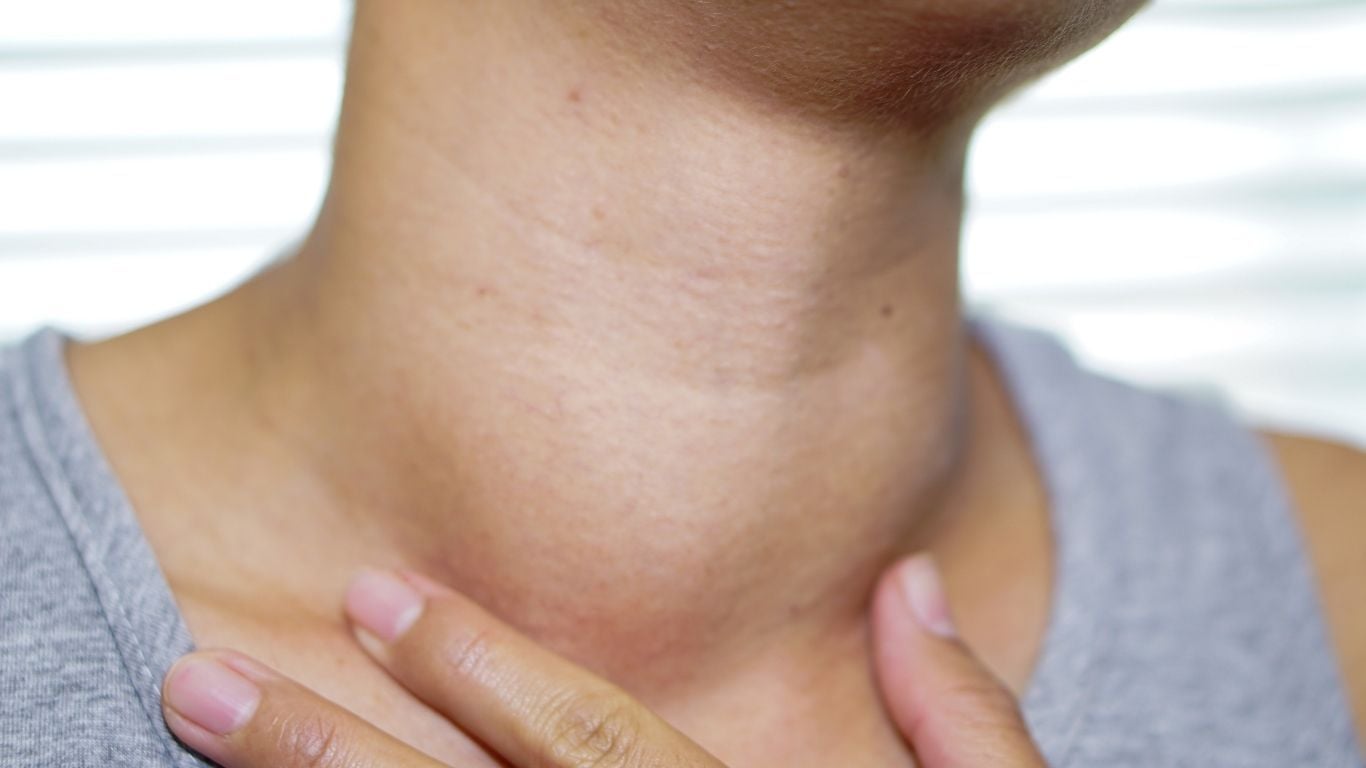
The thyroid is a small, butterfly-shaped gland located at the front of the neck. Although it is small, the hormones it produces influence cells and organs throughout the body. The two main thyroid hormones are thyroxine, commonly called T4, and triiodothyronine, or T3. T4 is produced in larger quantities and can be converted into the more active T3 in body tissues.
The thyroid does not work alone. The pituitary gland in the brain releases thyroid-stimulating hormone, or TSH, which signals the thyroid to produce and release hormone. This feedback system continually adjusts its signals to help keep thyroid hormone levels within an appropriate range.
According to HealthLink BC, thyroid hormones affect how quickly the body burns calories, as well as heart rate, body temperature, digestion and muscle strength. In other words, metabolism is not simply how easy or difficult it is to lose weight. It includes all the chemical activity required to keep the body functioning, even while you are at rest.
When thyroid hormone levels are too low, the body’s energy use may decrease. You may feel colder, move less because of fatigue and notice changes in digestion or fluid balance. Together, these effects can make weight management feel harder. Yet the metabolic change associated with hypothyroidism is only one component of daily energy balance, which is why thyroid treatment does not usually produce dramatic weight loss on its own.
How Hypothyroidism Can Affect Body Weight
Hypothyroidism means the thyroid is not producing enough hormone to meet the body’s needs. Hashimoto’s thyroiditis, an autoimmune condition in which the immune system attacks thyroid tissue, is a common cause. Hypothyroidism can also occur after thyroid surgery or radioactive iodine treatment, because of certain medications, or for other less common reasons. Iodine deficiency can cause low thyroid function, but HealthLink BC notes that it is rare in Canada.
The effects of hypothyroidism on body weight vary considerably. Some people gain weight, some have difficulty losing it and others notice little change. The Thyroid Foundation of Canada describes weight gain associated with hypothyroidism as usually modest. This distinction matters because a substantial or rapid change in weight should not automatically be attributed to the thyroid. It deserves a broader assessment.
A Slower Resting Metabolic Rate
Your resting metabolic rate is the energy your body uses to maintain basic functions such as breathing, circulation, temperature control and tissue repair. Low thyroid hormone levels can reduce this rate. If your energy intake and other habits remain the same while energy expenditure falls, gradual weight gain may become more likely.
The effect is not always large enough to explain every kilogram gained, but it can make an already challenging situation more difficult. Someone experiencing low energy may also reduce spontaneous movement, exercise less often or find it harder to maintain muscle. These indirect effects can further lower daily energy expenditure.
Fluid and Salt Retention
Not all weight associated with hypothyroidism represents an increase in body fat. Low thyroid function can contribute to fluid and salt retention, which may show up as puffiness, swelling or a higher number on the scale. This is one reason some weight may decrease after hypothyroidism is properly treated, even before major changes in body composition occur.
It also explains why the scale alone cannot tell you what is happening. Short-term weight changes can reflect fluid, digestion, hormonal shifts and other factors rather than a gain or loss of fat.
Fatigue and Reduced Activity
Persistent fatigue is one of the thyroid symptoms people commonly notice. When ordinary activities require more effort, structured exercise may be the first thing to decline. You may also sit more, take fewer steps or choose convenient meals because you do not have the energy to plan and prepare food.
This is not a failure of willpower. Symptoms can change the behaviours that influence weight, even when a person remains motivated. Addressing a genuine medical contributor may make healthy routines more manageable, but the routines themselves usually remain important.
Changes in Digestion and Bowel Function
Thyroid hormones help influence how quickly food moves through the digestive tract. Hypothyroidism may slow this movement and contribute to constipation, bloating or a sense of heaviness. These symptoms can affect comfort and the number on the scale without necessarily indicating increased body fat.
Which Thyroid Symptoms Should You Watch For?
Difficulty losing weight is nonspecific, meaning it can have many causes. Suspicion of hypothyroidism becomes more reasonable when weight concerns occur alongside several other persistent changes. Common thyroid symptoms associated with low thyroid function may include:
Ongoing fatigue, sluggishness or weakness
Increased sensitivity to cold
Dry skin, brittle nails or changes in hair texture
Constipation
Difficulty concentrating or memory changes
Low mood or depression
Heavy or irregular menstrual periods
Muscle aches, cramps or weakness
Facial puffiness or swelling
A slower-than-usual heart rate
Modest, unexplained weight gain or increased difficulty losing weight
These symptoms often develop gradually. Because they overlap with stress, poor sleep, iron deficiency, depression, perimenopause and many other health concerns, people may dismiss them as part of aging or a demanding schedule. The reverse can also happen: a person may assume every symptom is caused by the thyroid when another issue needs attention.
This overlap is precisely why symptoms alone cannot confirm hypothyroidism. HealthLink BC explains that diagnosis involves a health history, physical examination and blood testing, most often beginning with TSH and, when appropriate, free T4. Additional testing may be considered based on the initial results and individual circumstances.
Weight Gain Alone Does Not Mean You Have Hypothyroidism
Searches for “thyroid and weight loss” often begin with a frustrating experience: the strategies that used to work no longer seem effective. Although it is reasonable to consider thyroid health, there is no single symptom pattern that proves the thyroid is responsible.
Body weight is regulated by a complex interaction of biology, environment, behaviour and health. Sleep deprivation can affect appetite and reduce energy. Chronic stress may influence eating patterns and recovery. Menopause can change body composition and where fat is stored. Insulin resistance, polycystic ovary syndrome, some medications and certain mental health conditions can also affect weight. Muscle mass typically changes with age and activity, influencing the amount of energy the body uses at rest.
There may also be practical explanations that are easy to overlook. Portion sizes can gradually increase, a new job may reduce daily movement or an injury may limit activity. None of these possibilities should be framed as blame. They simply demonstrate why a comprehensive assessment is more useful than choosing one presumed cause.
If thyroid testing is normal, that does not mean your concerns are imaginary or that there is nothing more to investigate. It means the next step is to look at the broader picture rather than attempting to “boost” a thyroid that is already functioning appropriately.
How Is Hypothyroidism Assessed?
A proper thyroid assessment begins with context. A healthcare provider may ask when your symptoms started, whether they are changing, which medications and supplements you use, whether thyroid disease runs in your family and whether you have experienced pregnancy, menopause, surgery or other recent health changes. Your heart rate, skin, reflexes, neck and other physical findings may also provide useful information.
Blood testing is central because symptoms are not specific enough to establish a diagnosis. TSH is commonly used as the initial test for primary hypothyroidism. When the thyroid is not producing enough hormone, the pituitary generally responds by releasing more TSH in an attempt to stimulate it. Free T4 may then help clarify thyroid hormone availability. Antibody testing may be useful in selected circumstances, such as when an autoimmune cause is being considered.
More testing is not automatically better. Choosing Wisely Canada’s endocrinology recommendations, developed with the Canadian Society of Endocrinology and Metabolism, note that TSH is generally the key measure for screening and monitoring primary hypothyroidism, while additional testing may be appropriate in particular clinical situations. Test selection and interpretation should therefore be individualized rather than based on a generic online checklist.
Why Reference Ranges and Context Matter
Laboratory results need clinical interpretation. Pregnancy, medications, acute illness and pituitary or hypothalamic conditions can alter how thyroid tests are understood. A result near one end of a laboratory range does not automatically prove that thyroid hormone treatment is required, just as a single normal result may need to be reconsidered if circumstances change or there is a specific clinical concern.
It is also important to distinguish overt hypothyroidism from subclinical hypothyroidism. In subclinical hypothyroidism, TSH is mildly elevated while free T4 remains within the laboratory range. Some people have no obvious symptoms, and the best approach depends on factors such as the degree and persistence of the abnormality, age, symptoms, pregnancy considerations and other health risks. A qualified healthcare provider can discuss whether monitoring or treatment is appropriate.
When Testing May Be Worth Discussing
Consider speaking with a healthcare provider when weight changes are unexplained or occur with persistent fatigue, cold intolerance, constipation, menstrual changes, skin or hair changes, low mood or cognitive symptoms. Testing may also be more relevant if you have a personal or family history of thyroid or autoimmune disease, take medication that can affect thyroid function, have had thyroid surgery or treatment, are pregnant or planning pregnancy, or have noticed swelling in the neck.
A new neck lump, difficulty swallowing, voice changes or significant swelling should be assessed rather than treated as a weight-management concern. Seek urgent care for severe symptoms such as marked confusion, loss of consciousness, severe breathing difficulty or an abnormally low body temperature.
Will Treating Hypothyroidism Help You Lose Weight?
When testing confirms hypothyroidism, appropriate treatment can restore thyroid hormone levels and improve symptoms. As the body returns toward normal thyroid function, some people lose weight related to retained fluid and may find that energy, digestion and activity improve. These changes can make a sustainable weight-management plan easier to follow.
Treatment is not, however, a stand-alone weight-loss program. The amount of weight lost after thyroid levels normalize varies, and some people notice only a small change. If weight remains a concern, it does not necessarily mean treatment has failed. Other influences on appetite, body composition, sleep, physical activity and metabolic health may still need to be addressed.
The purpose of thyroid hormone medication is to replace hormone the body is not making adequately and restore healthy function—not to push hormone levels above the appropriate range to accelerate weight loss. Taking more than the body needs can cause an overactive-thyroid state and may lead to palpitations, tremor, anxiety, sleep problems, muscle loss, bone loss or abnormal heart rhythms. Thyroid medication should only be started or adjusted with professional supervision and appropriate monitoring.
Why “Thyroid Boosting” Supplements Are Not a Shortcut
When progress feels slow, products promising to reset metabolism or support the thyroid can sound appealing. Yet “natural” does not mean harmless, and supplements marketed for thyroid health may contain iodine, herbs, stimulants or even undisclosed thyroid-active ingredients. They can interfere with medications, change laboratory results or expose a person to more iodine or thyroid hormone than is safe.
Canada generally has an iodine-sufficient food supply, and taking high-dose iodine is not a universal solution for hypothyroidism. Excess iodine can worsen thyroid dysfunction in susceptible people. Before using iodine, kelp or a thyroid-support product, discuss it with a qualified healthcare provider who knows your medical history and can determine whether there is evidence of a deficiency or another valid indication.
Biotin deserves special mention because it is common in hair, skin and nail supplements. Higher-dose biotin can interfere with certain laboratory tests, including some thyroid tests, and potentially produce misleading results. Tell your healthcare provider and the laboratory about every supplement you take so they can give you appropriate instructions before testing.
What If Your Thyroid Tests Are Normal but Weight Loss Is Still Difficult?
Normal thyroid results can be reassuring, but they do not answer every question about weight. A comprehensive plan considers the many systems and circumstances that influence body composition. This may include reviewing food patterns without assuming that severe restriction is necessary, assessing sleep and stress, considering medication effects, evaluating activity and strength, and looking for relevant metabolic or hormonal conditions.
For women in perimenopause or menopause, changes in estrogen, sleep and muscle mass may alter body composition even when the thyroid is healthy. For people with insulin resistance or PCOS, glucose regulation may be an important part of the picture. Depression, chronic pain and sleep apnea can affect both energy and weight-management behaviours. Some prescription medications can increase appetite, cause fluid retention or reduce activity through fatigue.
This is why Wellness Path 4U’s weight management services take an individualized approach. The goal is not to search indefinitely for one abnormal hormone. It is to understand the combination of medical, metabolic, nutritional and lifestyle factors that may be affecting you, then develop realistic strategies based on that information.
Supporting Weight Management While Addressing Thyroid Health
If you have hypothyroidism, treating it appropriately is a foundation for health, but daily habits continue to matter. The most useful approach is generally consistent and sustainable rather than extreme.
Build Meals That Support Fullness and Energy
Meals containing adequate protein and fibre can support fullness, muscle maintenance and steadier energy. Vegetables, fruit, whole grains, legumes, dairy or fortified alternatives, and suitable protein sources can all play a role depending on your needs and preferences. There is no universal “thyroid diet,” and eliminating gluten, dairy or other major food groups is not automatically necessary for everyone with hypothyroidism.
If you take thyroid medication, food, coffee, calcium, iron and some other products can affect absorption. Follow the instructions provided for your specific medication, and ask your pharmacist or prescriber how to separate it from foods, supplements or other medications when needed.
Protect and Build Muscle
Muscle tissue contributes to strength, mobility and daily energy use. Resistance exercise can help preserve or build muscle as part of a weight-management plan. If fatigue or joint discomfort has limited your activity, begin at an appropriate level and increase gradually. The best program is one that is safe for your health, suits your abilities and can be maintained.
Pay Attention to Sleep and Recovery
Poor sleep can increase hunger, reduce decision-making capacity and leave little energy for movement. It may also be a clue to another condition, such as sleep apnea, especially when snoring, morning headaches or daytime sleepiness are present. Improving sleep is not a substitute for treating hypothyroidism, but it can remove an additional barrier to weight management.
Measure More Than the Scale
Weight can fluctuate for reasons unrelated to fat loss, particularly when fluid retention, constipation or menstrual changes are present. Energy, strength, sleep, waist measurements, how clothing fits, laboratory markers and the consistency of health-supporting habits can provide a fuller picture of progress.
This broader view is especially helpful when thyroid treatment is being adjusted. It keeps expectations realistic and helps distinguish improvements in symptoms and health from short-term changes in scale weight.
Common Questions About the Thyroid and Weight Loss
Can hypothyroidism prevent weight loss completely?
Hypothyroidism can make weight loss more difficult by reducing energy expenditure and contributing to fatigue and fluid retention, but it does not make weight loss biologically impossible. Once a genuine thyroid deficiency is appropriately treated, persistent weight concerns should be evaluated in the context of nutrition, activity, sleep, medications, metabolic health and other hormones.
How much weight gain can an underactive thyroid cause?
There is no single number that applies to everyone. Canadian thyroid information describes hypothyroidism-related weight gain as usually modest, and some of the change may be fluid rather than body fat. A substantial or rapid increase should prompt a broader medical review instead of being attributed to the thyroid without testing.
Can I have hypothyroidism even if weight gain is my only symptom?
It is possible to have mild or few symptoms, but weight gain alone has many potential causes and cannot diagnose hypothyroidism. Blood testing and clinical evaluation are needed to determine whether thyroid function is abnormal.
If my TSH is normal, should I take thyroid hormone to improve my metabolism?
Thyroid hormone is not a general metabolism booster or weight-loss medication. When the thyroid is functioning normally, taking unnecessary hormone can create harmful excess. A healthcare provider should determine whether treatment is indicated based on appropriate testing and your clinical circumstances.
How quickly will my weight change after thyroid treatment begins?
Thyroid levels and symptoms take time to respond, and treatment usually requires follow-up testing and possible dose adjustment. Some people notice improved energy or reduced fluid retention before a meaningful change in body composition. Weight loss is not guaranteed, and expectations should be based on your complete health picture rather than a fixed timeline.
Should I request a full thyroid panel?
The most appropriate tests depend on your history and clinical situation. TSH is commonly the initial test for primary hypothyroidism, with free T4 and other testing used when indicated. Rather than requesting every available marker, discuss your symptoms, medications, health history and concerns with a qualified provider who can choose and interpret the right tests.
Look Beyond the Scale to Understand Your Thyroid Health
Your thyroid may be one reason weight loss feels more difficult, especially when weight changes occur alongside fatigue, cold intolerance, constipation, menstrual changes or changes in skin, hair and concentration. But no symptom—or number on the scale—can confirm hypothyroidism by itself.
The most useful next step is not a more restrictive diet or an unproven thyroid supplement. It is an evidence-informed assessment that considers symptoms, medical history, laboratory findings and the other factors that influence metabolism and body weight. If hypothyroidism is present, appropriate care may improve thyroid function and remove one barrier to feeling well. If thyroid tests are normal, a broader evaluation can help identify a more relevant path forward.
Wellness Path 4U offers personalized thyroid hormone optimization and weight-management support through virtual consultations for adults across Ontario. If you are struggling with unexplained weight changes or symptoms that may be related to thyroid function, contact Wellness Path 4U to schedule a consultation and discuss an individualized approach to your health.
This article is for general educational purposes and is not a substitute for medical advice, diagnosis or treatment. Speak with a qualified healthcare professional about symptoms, testing, medications and treatment decisions.
| Tags:Thyroid HealthHypothyroidismWeight ManagementHormone Health |